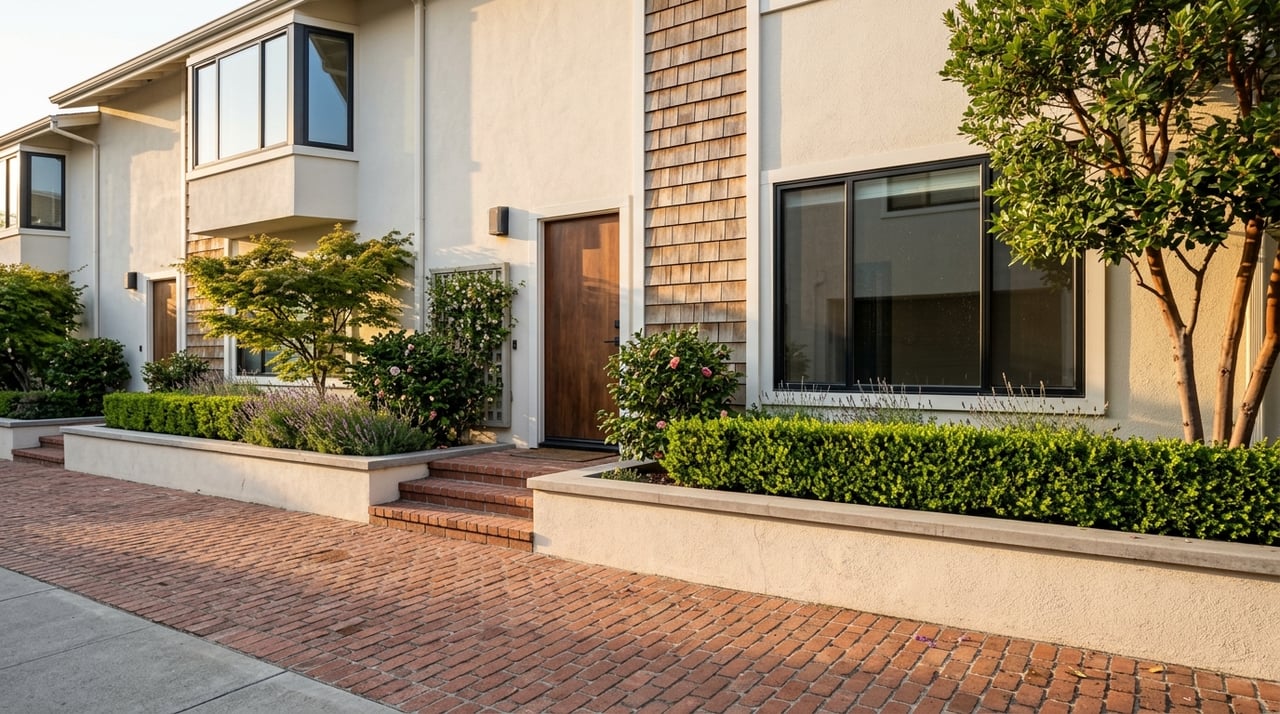
If you want a home that puts coffee runs, weekend events, and historic charm closer to your daily routine, living near downtown Pleasanton may be worth a closer look. For many buyers and sellers, the appeal is not just the location itself, but the lifestyle that comes with being near the city’s historic core. This guide will help you understand what housing looks like near downtown Pleasanton, what everyday life feels like, and what practical factors to keep in mind as you make a move. Let’s dive in.
What downtown Pleasanton feels like
Downtown Pleasanton is the city’s historic core, and it carries a distinct sense of place. The city’s Downtown Specific Plan covers a 319-acre area with 1,012 parcels centered around Main Street, with a pattern shaped by historic character and a small-town scale.
That setting creates a different feel than newer suburban neighborhoods. Instead of a purely residential layout, you get a mixed environment with homes, shops, dining, public spaces, and civic buildings woven together more closely.
The city describes downtown as the vibrant heart of the community and notes that the area includes more than 550 unique businesses. That mix helps explain why living nearby can feel active, walkable, and connected to local events.
Daily life near downtown Pleasanton
One of the biggest draws of this area is how much is happening close to home. Main Street and nearby blocks are lined with restaurants, and many include outdoor patios, which adds to the casual, social rhythm of the district.
Pleasanton also has more than 240 dining establishments citywide, so living near downtown places you near one of the most active dining hubs in the city. If you enjoy brunch spots, cafes, or easy dinner options, that convenience can become part of your weekly routine.
Events and community spaces
Downtown Pleasanton is not just a place to eat and shop. It is also a place where public events and shared spaces play a big role in day-to-day life.
The Pleasanton Farmers Market takes place every Saturday all year. It features California-grown produce along with baked goods, meats, cheeses, nuts, flowers, and other local goods, which adds a steady weekend rhythm for nearby residents.
The Firehouse Arts Center is another major part of the area’s lifestyle. It supports performances, gallery space, classes, public art, and seasonal cultural celebrations, giving downtown an arts presence that goes beyond retail and dining.
Lions Wayside Park has also seen major investment. The city approved improvements in 2023 and reopened the park in 2025 with a new bandstand, dance floor, seating, lighting, new grass, and ADA upgrades, and the current Concert in the Park season is centered there.
Parks and outdoor access
Even though downtown has a more compact, historic feel, outdoor access is still part of the lifestyle. Within the downtown planning area, the city notes 3.8 acres of parkland across five parks.
On a broader city level, Pleasanton offers 46 community and neighborhood parks, more than 60 miles of trails, and over 700 acres of open space. That means living near downtown can give you both a walkable core and access to the wider recreation network Pleasanton is known for.
Housing near downtown Pleasanton
Housing near downtown Pleasanton stands out for its age, architecture, and variety. The Downtown Specific Plan says the area includes turn-of-the-century to 1950s single-family homes along with commercial buildings that reflect the district’s long development pattern.
For buyers, that often means more architectural personality than you may find in later-built neighborhoods. For sellers, it means the story of the home and its setting can be an important part of how the property is positioned.
Historic home styles
The city’s historic context statement highlights Queen Anne-era homes from the 1880s through the 1910s and Craftsman homes from the 1900s through the 1930s. These are some of the styles that help define the look and feel of residential streets near the historic core.
Queen Anne homes are described by the city as having asymmetrical forms, porches, and bay windows. Craftsman homes often feature low-pitched roofs, wide eaves, and exposed rafters or beams.
If you are drawn to older homes, these details may be part of the appeal. If you prefer more standardized layouts or newer finishes, it is worth comparing downtown-adjacent options with homes farther from the core.
More than just detached homes
While historic single-family homes are a major part of the story, the housing picture near and around downtown is broader than that. City permit examples include ADUs, single-family homes, multifamily projects, mixed-use projects, and townhomes.
The city also maintains a condominium conversion review process. While there is no simple public inventory for downtown housing types, these examples suggest that attached and higher-density housing options are part of the local conversation too.
What buyers should consider
If you are thinking about buying near downtown Pleasanton, the lifestyle fit matters just as much as the floor plan. This area may appeal most if you want to be closer to restaurants, events, parks, and older architecture.
It can also be a strong match if you value a neighborhood rhythm that feels more walkable and community-oriented than a typical car-dependent suburban layout. At the same time, living near a historic core often comes with a different set of expectations than buying in a newer tract neighborhood.
Historic preservation rules
The Downtown Specific Plan says historic buildings in the area have been constructed and preserved over about 150 years. It also states that new buildings and modifications in historic areas should be compatible with downtown’s traditional design character and scale.
City permit guidance says historic preservation rules apply to residential buildings on residentially zoned properties in the Downtown Specific Plan Area. That does not mean every project is impossible, but it does mean buyers should understand that changes to a property may involve added review.
If you are considering updates, additions, or an ADU strategy, it is smart to review what may apply before you buy. That step can help you match your plans with the realities of the property.
Commuting and regional access
Pleasanton offers strong regional connectivity, which adds another layer to the appeal of living near downtown. The city has two BART stations along I-580 and an ACE Rail station across from the Alameda County Fairgrounds, and the city notes that ACE service is near downtown.
That setup can work well if you want access to a historic, mixed-use center without giving up broader Bay Area commuting options. At the same time, downtown Pleasanton is better understood as a suburban walkable core than a rail-centered urban district.
What sellers should keep in mind
If you are selling a home near downtown Pleasanton, your location story matters. Buyers are often looking at more than square footage alone when they shop in this part of the city.
Proximity to Main Street, access to events, architectural character, and connection to parks or civic spaces can all shape interest. For the right buyer, those features may be part of what makes the home stand out.
Sellers should also be prepared for buyers to ask practical questions about property condition, remodel history, and any design or permitting considerations tied to the area. Clear information and thoughtful marketing can help a buyer understand both the charm and the responsibilities that may come with an older home.
Small details that shape the experience
Sometimes lifestyle comes down to the small things you notice every week. One example is that the city manages street sweeping for downtown business district streets on a fixed schedule.
That may seem minor, but details like this reflect how actively used and maintained the area is. In a neighborhood where public life is part of the appeal, these day-to-day systems help support the overall experience.
Is downtown Pleasanton right for you?
Living near downtown Pleasanton can be a great fit if you want historic character, a stronger sense of place, and easy access to dining, arts, parks, and weekly events. It offers a lifestyle that feels connected and active, while still being part of a larger suburban city with trails, open space, and regional transit options.
It may be less ideal if your top priority is a newer home style, fewer design constraints, or a more separated suburban setting. The key is knowing what matters most to you before you make a move.
If you want help comparing downtown Pleasanton homes with other Pleasanton neighborhoods, or you are preparing to sell and want to position your property well, Abelino Espinoza-Sanchez can help you navigate the process with clear, responsive guidance.
FAQs
What is it like living near downtown Pleasanton?
- Living near downtown Pleasanton means being close to the city’s historic core, Main Street businesses, restaurants, parks, the farmers market, and arts programming at the Firehouse Arts Center.
What types of homes are near downtown Pleasanton?
- Housing near downtown Pleasanton includes historic single-family homes, especially Queen Anne and Craftsman styles, along with evidence of ADUs, townhomes, multifamily, mixed-use, and condo-related housing activity in the area.
Are there historic rules for homes near downtown Pleasanton?
- Yes. The city says historic preservation rules apply to residential buildings on residentially zoned properties within the Downtown Specific Plan Area, and modifications in historic areas should be compatible with traditional design character and scale.
Is downtown Pleasanton good for commuters?
- Downtown Pleasanton has strong regional access because Pleasanton has two BART stations along I-580 and an ACE Rail station near downtown across from the Alameda County Fairgrounds.
What amenities are near downtown Pleasanton homes?
- Nearby amenities include restaurants, independent shops, the Pleasanton Farmers Market, the Firehouse Arts Center, downtown parks, and access to Pleasanton’s broader network of parks, trails, and open space.
