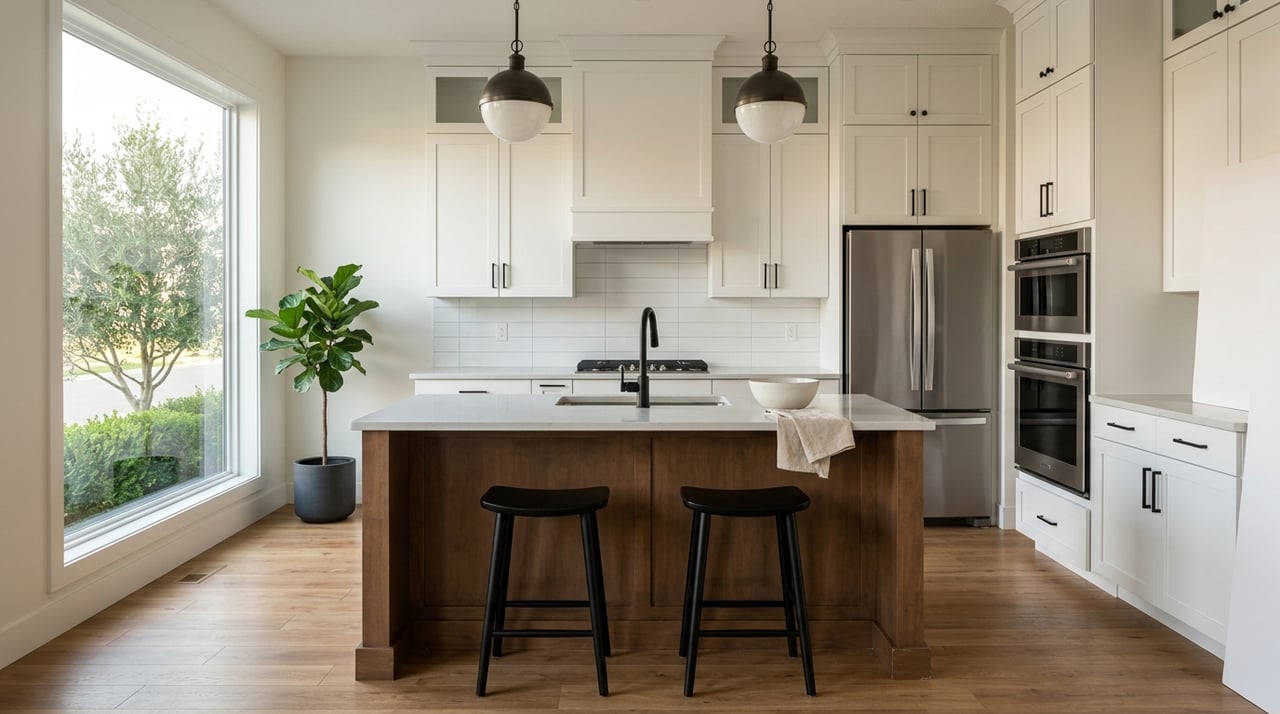
Selling in San Ramon can feel straightforward when homes are still drawing attention, but the details matter more than many sellers expect. In a market where some homes move in as little as two to four weeks and sale-to-list ratios are hovering around 99.6% to 100%, buyers are still paying close attention to condition, pricing, and paperwork. If you want a smoother sale and fewer surprises, a clear prep plan can make a big difference. Let’s dive in.
Why preparation matters in San Ramon
San Ramon remains a high-value market, but it is not a market where you can afford to be casual about presentation. Recent snapshots showed median prices ranging from about $1.40 million to $1.57 million, with median days on market between 14 and 27 depending on the source and timing.
That tells you something important: demand is healthy, but buyers are still selective. Bay East also reported that East Bay buyers became more active in spring 2026, while inventory in parts of the Tri-Valley, including San Ramon, remained tighter. When fewer homes are available, strong preparation helps your property stand out for the right reasons.
Time your sale with a local plan
Spring is often the main selling season, but your timing should include more than just picking a month. National 2026 research from Zillow found that homes listed in the last two weeks of May sold for 1.7% more on average, while also noting that West Coast markets can peak earlier or later than the national pattern.
For San Ramon sellers, that means planning backward from your target list date. If you hope to launch in late spring, use the prior weeks to handle repairs, photos, pricing, and disclosures. A rushed launch can make even a strong home feel unprepared.
Build a pre-listing timeline
Start 8 to 12 weeks early
This is the time to decide what matters most to you. Do you want the fastest sale, the easiest process, or the strongest net proceeds? That goal should shape how much work you do before listing.
You should also begin gathering paperwork early. Pull permit history, contractor invoices, and receipts for recent work, since California disclosures may require supporting documentation for certain repairs, additions, or alterations.
If your home is in an HOA, check whether approvals are needed before any permitted work begins. San Ramon encourages homeowners to secure required HOA review before permit issuance when applicable.
Focus on visible improvements 4 to 6 weeks out
This is where presentation starts doing real work for you. Declutter, depersonalize, deep clean, brighten darker rooms, and consider staging the spaces buyers notice first.
Current research continues to support staging as a practical selling tool. A 2025 staging report found that 83% of buyers’ agents said staging makes it easier for buyers to visualize a home, and 29% said staged homes received 1% to 10% more in offered value. The rooms with the strongest impact were the living room, primary bedroom, and kitchen.
If you are planning exterior touch-ups, also check whether the work may trigger city review. San Ramon notes that permit applications typically take 5 to 10 business days, and some exterior changes may require approval.
Finalize disclosures 1 to 2 weeks before listing
This step should happen before your marketing goes live, not after. California’s Transfer Disclosure Statement must be provided as soon as practicable before title transfer, and late delivery can give the buyer a limited right to terminate after signing.
California law also requires both the listing agent and the buyer’s agent to complete a reasonably competent and diligent visual inspection of accessible areas and disclose material facts that affect value, desirability, or intended use. The Transfer Disclosure Statement is an important part of the process, but it is not a warranty and it does not replace inspections.
Use listing week for launch details
By the time your home goes live, your pricing strategy, photos, showing instructions, and offer response plan should already be set. This is also when strong communication matters most, because market conditions can shift quickly.
A clean launch helps buyers focus on the home itself instead of wondering what is missing. In a balanced negotiation environment, that can help reduce friction once offers start coming in.
Prioritize the updates buyers notice most
You do not need to fix everything before selling. The smartest updates are usually the ones that improve first impressions, reduce buyer objections, or help prevent disclosure issues later.
In San Ramon, buyers tend to reward homes that are well-presented and thoughtfully priced. Redfin’s local market insights point to preparation and pricing as key factors, which means cosmetic work can still have real value when it helps your home show better online and in person.
A practical pre-listing checklist often includes:
- Decluttering main living spaces
- Removing overly personal decor
- Deep cleaning throughout the home
- Improving lighting in darker rooms
- Touching up paint where wear is obvious
- Refreshing the living room, kitchen, and primary bedroom first
- Organizing repair and contractor records
Consider a pre-listing inspection
A pre-listing inspection is not required, but it can be useful. According to the National Association of Realtors consumer guidance, it may help identify issues you can address before buyers tour the home.
That can be especially helpful in a market where buyers are active but selective. If a buyer’s inspection uncovers an unexpected issue late in escrow, you may end up renegotiating price, credits, or timing under more pressure.
A pre-listing inspection can also help you decide what not to fix. Some items may be minor enough to disclose rather than repair, while others may be worth handling upfront if they are likely to raise questions.
Keep permits and repair records organized
Paperwork may not be exciting, but it can save you time and stress. California’s disclosure rules can require sellers to provide information about repairs, alterations, additions, and contractor-performed work.
The California Department of Real Estate’s 2025 guidance says sellers who took title within the previous 18 months may need to disclose contractor-performed additions, structural modifications, alterations, or repairs totaling $500 or more, along with contractor names and copies of permits. That makes good recordkeeping an important part of selling, not just an administrative extra.
You may also need to disclose natural hazard information. California’s Natural Hazard Disclosure law requires disclosure for homes in designated hazard zones, and recent updates expanded fire-zone disclosure requirements to include high fire hazard severity zones.
Some properties may also involve notices related to special taxes or assessments, such as Mello-Roos, when applicable. The exact disclosure package can vary, so preparing documents early helps avoid a last-minute scramble.
Know common San Ramon permit triggers
Before you take on exterior work, it is smart to check whether the city requires permits. San Ramon’s Permit Center notes that encroachment permits are required for work in the public right of way.
That can include:
- Trenching in the street
- Sidewalk replacement
- Curb drain work
- Driveway approach changes
- Dumpsters or portable storage units placed in the public right of way
San Ramon also notes that site development permits may be required for excavation, drainage changes, paving, landscaping, lighting, utilities, sidewalks, and other site improvements. Grading permits may apply to larger earthwork or clearing projects.
If your planned update goes beyond simple cosmetic refreshes, confirm the requirements before work begins. That can help you avoid delays and keep your disclosure package cleaner.
Price with discipline, not emotion
Even in a strong market, pricing accuracy still matters. Recent San Ramon data showed sale-to-list ratios near 100%, but that does not mean every list price works equally well.
A well-priced home can attract stronger early interest, while an overly ambitious price can lead to extra days on market and more negotiation later. Since current local snapshots show healthy demand but balanced negotiations, the goal is not just attention. The goal is the right attention from serious buyers.
This is where a local, data-driven pricing strategy matters most. Your list price should reflect current San Ramon conditions, recent comparable sales, your home’s condition, and the level of competition active at the time you list.
Reduce friction for a smoother sale
The biggest benefit of preparation is not just appearance. It is momentum. When buyers see a home that feels clean, complete, and well-documented, they are more likely to move forward with confidence.
That confidence can show up in stronger offers, fewer follow-up questions, and a smoother path through escrow. In San Ramon, where buyers are still motivated but paying attention, preparation is less about perfection and more about reducing uncertainty.
If you are thinking about selling, the best first step is a plan built around your goals, your timeline, and your home’s specific condition. For thoughtful, hands-on guidance in the Bay Area, connect with Abelino Espinoza-Sanchez.
FAQs
How early should you start preparing to sell a San Ramon home?
- A practical timeline is about 1 to 3 months before listing, with early weeks focused on repairs, paperwork, staging, and pricing strategy.
What repairs matter most before listing a San Ramon home?
- The most useful repairs are usually the ones that improve first impressions, reduce buyer concerns, or clear up issues that may come up during disclosures or inspections.
Do you need a pre-listing inspection for a San Ramon home sale?
- No, it is not required, but it can help you identify issues before buyers do and may reduce surprises during escrow.
What disclosures are important when selling a home in San Ramon, California?
- Common disclosures can include the Transfer Disclosure Statement, natural hazard disclosures, documentation for certain repairs or contractor work, and in some cases notices related to special taxes, assessments, or HOA matters.
What kinds of exterior work may require permits in San Ramon?
- Depending on the project, permits may be required for work involving driveways, sidewalks, drainage, grading, paving, landscaping, lighting, utilities, or work in the public right of way.
Is San Ramon still a strong market for sellers?
- Recent 2026 market snapshots suggest San Ramon remains strong, with prices around $1.4 million to $1.57 million and homes often selling in roughly two to four weeks, but preparation and pricing still matter.
