Are you trying to find a smart first home in San Ramon without stretching your budget too far? You’re not alone. Many first-time buyers and value-focused families look for the right mix of price, space, and location in this East Bay hub. In this guide, you’ll learn which home types usually count as “starter,” where these homes tend to cluster, what drives price differences, and how to pin down today’s ranges with confidence. Let’s dive in.
What counts as a starter home
Starter homes in San Ramon typically fall into three groups: condos, townhomes, and smaller single-family houses. Each option balances price, space, and maintenance differently. Knowing these trade-offs helps you set expectations and focus your search.
Condominiums
Condos usually come with the lowest purchase price compared to other property types in the same city. You’ll see smaller floor plans, shared walls, and little or no private yard. HOAs are standard, which means rules, fees, and often shared amenities. Exterior maintenance is lighter for you, which can help with monthly planning.
Townhomes
Townhomes often land in the middle on price. You get more private space than a condo, sometimes an attached garage, and a small patio or yard. HOAs are common and may cover exterior items and community spaces. Layouts can be multi-level, so consider stairs and storage as you compare options.
Small single-family homes
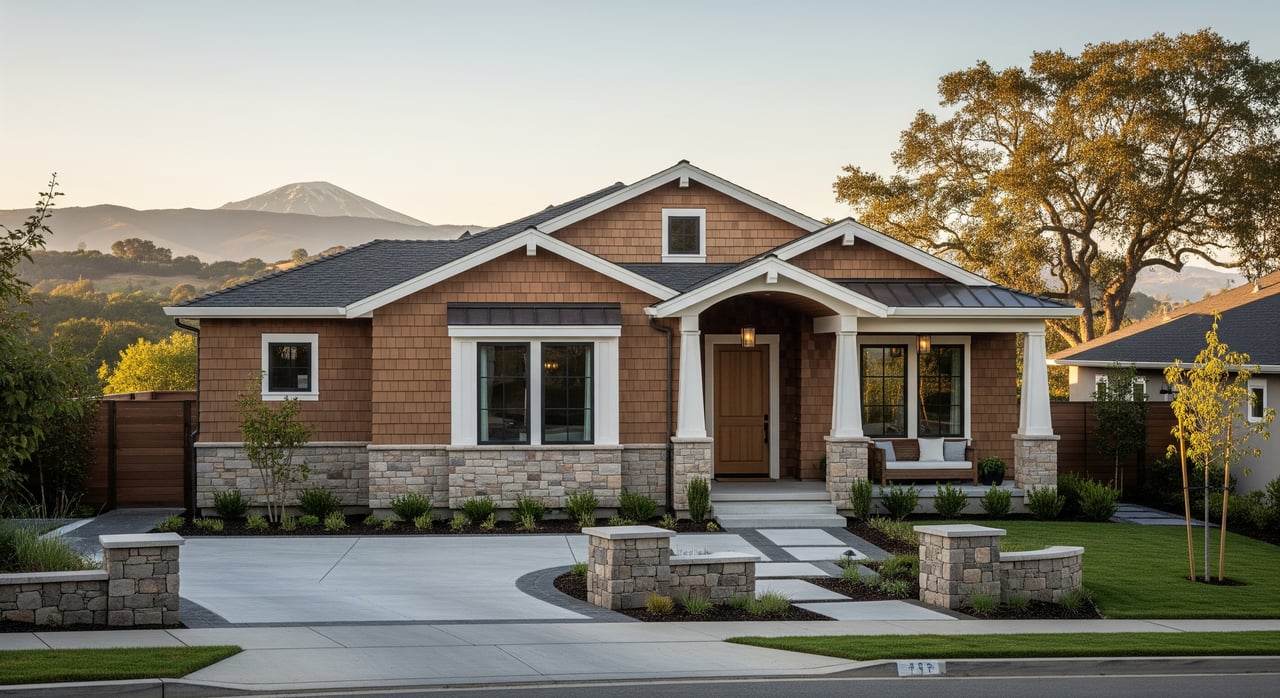
Smaller detached homes give you more autonomy and a private yard, often with no HOA. These properties can carry higher purchase prices and higher ongoing maintenance. Many are one-story or modest two-story homes on smaller lots. Plan for routine upkeep and potential updates over time.
Where to look in San Ramon
Starter inventory in San Ramon tends to cluster by product type rather than being evenly spread. Focus on the areas below if you want more choices and stronger value.
Central and downtown-adjacent condos
Older condo communities and garden-style buildings often sit near central San Ramon and the downtown-adjacent area. These properties can be more price-competitive than newer subdivisions. Expect smaller units, older construction, and HOAs with rules and monthly dues. The trade-off is convenience and potential walkability to shops and services.
Near Bishop Ranch and major corridors
Townhome clusters are common around employment centers and main arterials serving Bishop Ranch. These communities tend to attract professionals who want a shorter commute. You’ll often see newer finishes and modern systems. HOA fees and steady demand can keep prices firm relative to size.
Older single-family pockets in city limits
You can find scattered smaller-lot detached homes throughout parts of San Ramon. These may be the most accessible option if you prefer a yard and more autonomy. Inventory is limited, and some homes may need updating or utility and seismic improvements. If you like the idea of building equity through upgrades, keep this segment on your radar.
Dougherty Valley and newer master-planned areas
Newer master-planned neighborhoods in and around Dougherty Valley tend to command higher prices. You may still find smaller detached models from earlier phases or resale townhomes that fit a starter profile. Expect modern amenities and systems, with pricing that reflects the age and appeal of these communities.
Adjacent Contra Costa options for value
If price is the top priority, widen your search to nearby Contra Costa cities within the broader Oakland–Hayward–Berkeley metro area. You may find more starter SFR inventory or lower price-per-square-foot. The trade-off is a longer commute and different amenity sets. Compare total monthly housing cost and drive times before you decide.
Prices: how to pin your range today
Market numbers move fast. Instead of relying on outdated estimates, use a simple, repeatable method to define your current entry-level range.
Pull fresh data for the last 3–6 months
- Filter sold listings for San Ramon by property type: condos, townhomes, and SFRs.
- Apply size filters common to starters: about 600–1,400 sq ft for condos and 1,000–1,800 sq ft for townhomes/smaller SFRs.
- Record median sold price and price per square foot for each property type.
- Note days on market and the sale-to-list price ratio to gauge competition.
Compare and set your starter band
- Identify the 25th to 75th percentile of sold prices within your filters to define an entry-level band.
- Cross-check active listings to see where asking prices sit relative to recent solds.
- Compare to adjacent cities to learn your trade-area alternatives.
Useful price signals to watch
- Condos usually sell at a discount to detached homes in the same area, with townhomes in between.
- Newer, amenity-rich HOA communities tend to command a premium over older stock of similar size.
- Proximity to major employment centers and corridors like I-680 can push prices higher, even for smaller homes.
Common trade-offs to expect
- Price vs. HOA fees and rules: Lower purchase price on condos and townhomes often includes monthly dues and community guidelines. Always calculate your total monthly cost.
- Size vs. commute: Smaller units close to job centers can reduce drive times but limit private yard and garage space.
- Condition vs. convenience: Lower-priced homes may need kitchen, bath, HVAC, or seismic updates. Budget for renovations and plan your timeline.
- School boundaries and resale: School attendance areas can influence demand and pricing. This affects what counts as “starter” in each micro-market.
- Supply and speed: Starter homes can be scarce. Be ready to act quickly when inventory is lean.
- Age and efficiency: Older buildings may have higher utility costs or fewer modern features. Newer townhomes often bring updated systems at a higher price.
Your starter-home buying playbook
Use this step-by-step plan to stay organized and competitive.
Financial prep
- Get preapproved with a lender that understands local condos, townhomes, and smaller SFRs.
- Build a full monthly budget that includes mortgage, HOA dues, taxes, insurance, and utilities.
- Explore first-time buyer options, including CalHFA and any Contra Costa County programs. Confirm current eligibility and limits with the provider.
Search and touring strategy
- Set saved searches for the three starter types and your size filters. Prioritize neighborhoods with more consistent starter inventory.
- Tour a few examples of each home type early. Seeing space and light in person helps you pick the best fit.
- Track days on market and price adjustments to spot opportunity.
Due diligence focus
- For condos and townhomes: review HOA bylaws, budgets, reserves, insurance coverage, and any special assessments.
- For older SFRs: evaluate roof, foundation, plumbing, electrical, HVAC, and potential seismic retrofits.
- Confirm parking, storage, and any deed restrictions.
Offer and negotiation
- In tight markets, consider tools like escalation clauses and larger earnest money, only after careful discussion.
- In softer markets, focus on inspection contingencies and seller credits to offset repairs.
- Keep timelines tight and documentation clean to stand out.
Ready to start your search?
You don’t have to figure this out alone. I’ll help you compare condos, townhomes, and smaller single-family homes, and I’ll pull fresh, local comps so you can see real numbers for the past 3–6 months. If you’re a first-time buyer, I’ll also walk you through financing options and the full offer process in plain language. Connect with Abelino Espinoza-Sanchez to map your best starter-home path in San Ramon. ¿Prefieres hablar en español? Con gusto.
FAQs
What is a “starter home” in San Ramon?
- It usually means condos, townhomes, or smaller single-family homes on the lower end of local size ranges, often around 600–1,400 sq ft for condos and 1,000–1,800 sq ft for townhomes or smaller SFRs.
How can I find current starter-home prices in San Ramon?
- Review sold listings for the past 3–6 months by property type and size, then note median prices and the 25th–75th percentile range to create a realistic entry-level band.
Where do starter condos and townhomes tend to cluster in San Ramon?
- You’ll often find older condo communities near central and downtown-adjacent areas and townhome clusters near employment centers and major corridors that serve Bishop Ranch.
Are HOA fees typical for San Ramon starter homes?
- Yes, most condos and many townhomes have HOAs with monthly dues, rules, and shared maintenance responsibilities, which should be included in your total monthly budget.
Do school boundaries impact starter-home pricing in San Ramon?
- School attendance areas can influence demand and pricing, which may shift what’s considered “starter” from one micro-market to another within the city.
